Om Shri Gurubhyo Namah, Jai Ma Adya, Jai Khyapa Parampara.
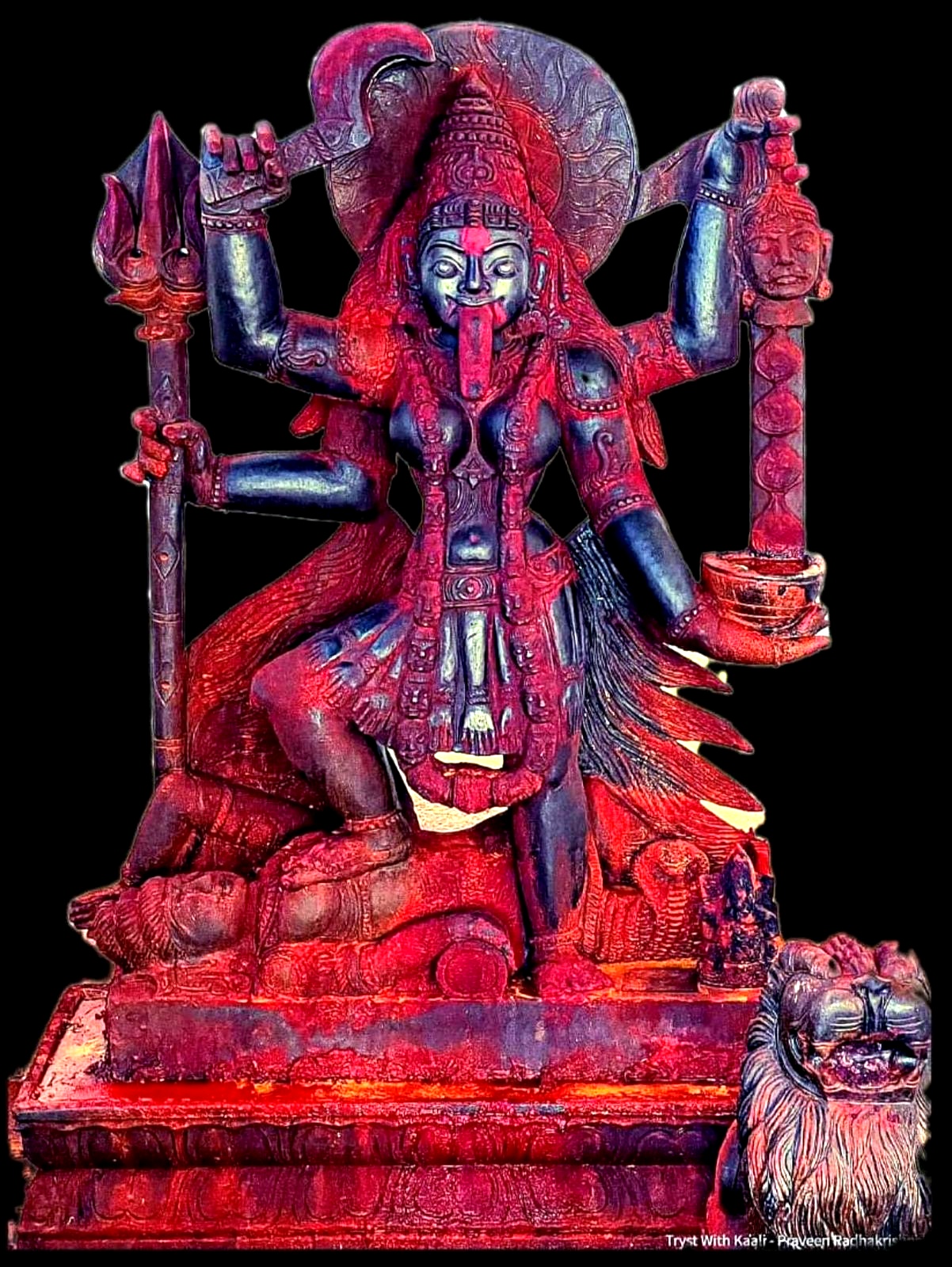
This page continues the Kakaradi Kali Sahasranama with names 223-333. Each name is given with a short English meaning for prayerful reading. This portion begins with hearing, moves into the imagery of kasturi or musk, then turns toward the hidden sound kaha, and closes with karma, action, witness, and grace.
If you are reading the series in order, begin with Kakaradi Kali Sahasranama Names 1-111 with One-Line Meanings and then continue through Kakaradi Kali Sahasranama Names 112-222 with One-Line Meanings.
The Kakārādi Kali Sahasranama is more than a list of divine titles. For devotees, it is a way to stay near Ma Kali through sound, image, symbol, and remembrance. Some names are fierce. Some are fragrant and intimate. Some point to mantra hidden in the heart. Some turn action itself into worship.
You can use these meanings for:
- daily prayer and slow devotional reading
- japa preparation before Kali sadhana
- study of Kali tattva through divine epithets
- contemplation of sacred hearing, fragrance, mantra, karma, and grace
These are devotional renderings, not a critical Sanskrit edition or a word-for-word translation. The aim is simple: keep the meaning clear enough for prayer while preserving the bhava of the names.
Compiled by KaliPutra_Ashish
How To Read These Names
You do not have to finish all 111 names in one sitting. Read a small group slowly. Let one name stay in the mind. If a name draws you inward, pause there and let the meaning become prayer.
This section moves through four main currents:
- sacred hearing, shown through the karṇa names at the beginning
- fragrant worship, shown through the many kastūrī names
- hidden mantra-sound, shown through the kaha names
- karma and liberation, shown through the closing karma names
Read slowly. Let the sound, meaning, and feeling meet at their own pace.
What Is Kakaradi Kali Sahasranama?
Sahasranama means a garland of one thousand names. The Kakaradi Kali Sahasranama is a stream of Ma Kali's names in which the sound ka becomes central. Devotees approach the Mother through name, sound, mantra, symbol, and contemplative remembrance.
Names 223-333 continue the movement from the earlier sections. The inner hearing of the previous group opens into the ear as a doorway. Then the hymn enters a long passage on musk, where fragrance becomes a sign of refined devotion. After that, the hidden sound kaha becomes a mantra-current. Finally, the names turn toward karma, where Ma Kali is the witness, measure, destroyer, and essence of action.
Kakaradi Kali Sahasranama Names 223-333 with One-Line Meanings
Names 223-240
- kathinī: She who is firm and unyielding, giving the soul strength to endure discipline and truth.
- karṇasundarī: She who beautifies the ear, making mantra and revelation sweet to hear.
- karṇapiśācinī: She who moves as the fierce spirit of hidden hearing, revealing sounds beyond ordinary perception.
- karṇamañjarī: She who is the blossom-cluster of the ear, unfolding beauty through deep listening.
- kavikakṣadā: She who grants the poet's hidden chamber, opening the inner space where inspired speech is born.
- kavikakṣāvirūpāḍhyā: She who fills the poet's hidden chamber with many wondrous forms of vision and expression.
- kavikakṣasvarūpiṇī: She whose very form is the poet's inner chamber, the sacred source of inspired language.
- kastūrīmṛgasaṃsthānā: She who abides in the musk deer, revealing the soul's search for the fragrance already within.
- kastūrīmṛgarūpiṇī: She whose form is the musk deer, graceful, elusive, and filled with hidden fragrance.
- kastūrīmṛgasantoṣā: She who is pleased by the musk deer, delighting in the innocent search for divine scent.
- kastūrīmṛgamadhyagā: She who moves among musk deer, dwelling in the gentle forest of longing.
- kastūrīrasanīlāṅgī: She whose dark limbs are anointed with musk, radiant with fierce, fragrant beauty.
- kastūrīgandhatoṣitā: She who is pleased by the fragrance of musk, accepting the scent of loving worship.
- kastūrīpūjakaprāṇā: She who is the very life of those who worship Her with musk, sustaining their devotion.
- kastūrīpūjakapriyā: She who loves the worshippers who offer musk, receiving their refined and heartfelt worship.
- kastūrīpremasantuṣṭā: She who is satisfied by love offered through musk, where fragrance becomes prayer.
- kastūrīprāṇadhāriṇī: She who holds the life-force of musk, preserving the essence of sacred attraction.
- kastūrīpūjakānandā: She who gives bliss to the worshippers of musk, making fragrant offering a path of joy.
Names 241-258
- kastūrīgandharūpiṇī: She whose form is the fragrance of musk, quiet, pervasive, and inwardly captivating.
- kastūrīmālikārūpā: She whose form is a garland of musk, adorning worship with fragrance.
- kastūrībhojanapriyā: She who loves offerings made fragrant with musk, accepting devotion as nourishment.
- kastūrītilakānandā: She who is the bliss of the musk tilaka, the fragrant mark of remembrance.
- kastūrītilakapriyā: She who loves the musk tilaka, blessing the brow marked with devotion.
- kastūrīhomasantuṣṭā: She who is pleased by fire-offerings of musk, where fragrance rises with the flame.
- kastūrītarpaṇodyatā: She who is eager for libations offered with musk, receiving fragrant streams of devotion.
- kastūrīmārjanodyuktā: She who is eager for cleansing and anointing with musk, purifying the devotee through fragrance.
- kastūrīcakrapūjitā: She who is worshipped in the musk ritual circle, enthroned within Tantric offering.
- kastūrīpuṣpasampūjyā: She who is fully worshipped with musk-scented flowers, receiving beauty, fragrance, and devotion together.
- kastūrīcarvaṇodyatā: She who is eager to savor musk, accepting the essence of refined worship.
- kastūrīgarbhamadhyasthā: She who dwells in the innermost heart of musk, hidden in the core of fragrance.
- kastūrīvastradhāriṇī: She who wears garments scented with musk, clothed in beauty and devotion.
- kastūrīkāmodaratā: She who delights in the enchanting fragrance of musk, where scent awakens devotion.
- kastūrīvanavāsinī: She who dwells in the musk forest, abiding in a hidden grove of spiritual longing.
- kastūrīvanasaṃrakṣā: She who protects the musk forest, guarding the sources of beauty, scent, and devotion.
- kastūrīpremadhāriṇī: She who bears love for musk, holding fragrant devotion as one of Her delights.
- kastūrīśaktinilayā: She who is the abode of musk's power, where fragrance becomes Shakti.
Names 259-276
- kastūrīśaktikuṇḍagā: She who enters the vessel of musk-power, immersed in concentrated fragrant energy.
- kastūrīkuṇḍasaṃsnātā: She who is bathed in the musk-vessel, radiant with fragrant purification.
- kastūrīkuṇḍamajjanā: She who immerses Herself in the vessel of musk, bathing the heart in sweetness and purity.
- kastūrījīvasantuṣṭā: She who is pleased by the living essence of musk, delighting in the fragrance of devotion.
- kastūrījīvadhāriṇī: She who sustains the living essence of musk, holding fragrance as a sign of awakened life.
- kastūrīparamāmodā: She who is the supreme delight of musk, filling worship with deep fragrance and bliss.
- kastūrījīvanakṣamā: She who has the power to sustain life through musk-like grace, fragrant and renewing.
- kastūrījātibhāvasthā: She who abides in the very nature of musk, revealing divine beauty as sacred fragrance.
- kastūrīgandhacumbanā: She who is kissed by the fragrance of musk, adorned by the sweetness of loving worship.
- kasatūrīgandhasaṃśobhāvirājitakapālabhūḥ: She whose skull-seat shines with the fragrance of musk, joining cremation-ground wisdom with beauty.
- kastūrīmadanāntaḥsthā: She who dwells within the intoxicating sweetness of musk, transforming attraction into devotion.
- kastūrīmadaharṣadā: She who gives joy through the rapture of musk, making worship fragrant with bliss.
- kastūrīkavitānāḍhyā: She who is rich in musk-scented poetry, inspiring speech that becomes praise.
- kastūrīgṛhamadhyagā: She who dwells in the center of the musk-perfumed shrine, seated in the heart of worship.
- kastūrīsparśakaprāṇā: She for whom the touch of musk is life itself, receiving each fragrant offering as devotion.
- kastūrīvindakāntakā: She who is beautiful with drops of musk, shining through even the smallest offerings of love.
- kastūryyāmodarasikā: She who delights in the fragrance of musk, savoring the sweetness of worship.
- kastūrīkrīḍanodyatā: She who is eager for the play of musk, turning fragrant ritual into divine delight.
Names 277-294
- kastūrīdānaniratā: She who delights in the giving of musk, blessing every sincere fragrant offering.
- kastūrīvaradāyinī: She who grants boons through musk, responding to fragrant devotion with grace.
- kastūrīsthāpanāsaktā: She who loves the consecrated placing of musk, making ritual marks vessels of Her presence.
- kastūrīsthānarañjinī: She who beautifies the place of musk, coloring the worship space with fragrant joy.
- kastūrīkuśalapraśnā: She who lovingly asks after the devotee's welfare through careful, fragrant offering.
- kastūrīstutivanditā: She who is praised and saluted with musk, receiving fragrance as hymn and reverence.
- kastūrīvandakārādhyā: She who is worshipped by those who bow in fragrant devotion, accepting humility as adoration.
- kastūrīsthānavāsinī: She who dwells in the place of musk, abiding wherever fragrant devotion is established.
- kaharūpā: She whose form is the mysterious sound "kaha," the hidden vibration of the Goddess.
- kahāḍhyā: She who is rich with "kaha," overflowing with mantra-power.
- kahānandā: She who is the bliss of "kaha," revealing joy within the hidden mantra.
- kahātmabhūḥ: She who is the essence and ground of "kaha," manifesting as subtle mantra-consciousness.
- kahapūjyā: She who is worshipped through "kaha," accepting mantra as direct offering.
- kahākhyā: She who is known by the name "kaha," the Goddess revealed through hidden sound.
- kahaheyā: She who removes what must be abandoned through "kaha," turning rejection into purification.
- kahātmikā: She whose very nature is "kaha," the hidden mantra-body of the Goddess.
- kahamālākaṇṭhabhūṣā: She whose throat is adorned with a garland of "kaha," wearing mantra as Her ornament.
- kahamantrajapodyatā: She who is eager for repetition of the "kaha" mantra, awakening devotion through sound.
Names 295-312
- kahanāmasmṛtiparā: She who is devoted to remembrance of the name "kaha," keeping the hidden mantra alive in the heart.
- kahanāmaparāyaṇā: She who is wholly absorbed in the name "kaha," making mantra-remembrance the devotee's refuge.
- kahaparāyaṇaratā: She who delights in complete devotion to "kaha," rejoicing when the heart rests in sound.
- kahadevī: She who is the Goddess of "kaha," its living power and divine presence.
- kaheśvarī: She who is the sovereign Mistress of "kaha," ruling the hidden mantra with supreme authority.
- kahahetu: She who is the cause of "kaha," the source from which the mantra arises.
- kahānandā: She who is the bliss of "kaha," revealing joy within hidden mantra.
- kahanādaparāyaṇā: She who is wholly absorbed in the resonance of "kaha," guiding the mind into vibration.
- kahamātā: She who is the Mother of "kaha," giving birth to mantra and its power.
- kahāntaḥsthā: She who abides within "kaha," dwelling in the innermost heart of mantra.
- kahamantrā: She who is the "kaha" mantra itself, the Goddess present as sacred sound.
- kaheśvarī: She who is the sovereign Mistress of "kaha," the ruling power of the hidden mantra.
- kahajñeyā: She who is to be known through "kaha," revealed by mantra-born awareness.
- kahārādhyā: She who is worshipped through "kaha," receiving mantra as direct adoration.
- kahadhyānaparāyaṇā: She who is wholly devoted to meditation on "kaha," drawing the mind into mantra-contemplation.
- kahatantrā: She who is the tantra of "kaha," the hidden method and power of mantra practice.
- kahakahā: She who is the repeated sound "kaha kaha," the mantra pulsing again and again in devotion.
- kahacaryyāparāyaṇā: She who is devoted to the practice of "kaha," making sacred conduct a living mantra.
Names 313-333
- kahācārā: She who is the discipline of "kaha," embodying mantra as right practice.
- kahagatiḥ: She who is the path and refuge of "kaha," leading the devotee through sound.
- kahatāṇḍavakāriṇī: She who performs the fierce cosmic dance through "kaha," setting mantra, time, and transformation in motion.
- kahāraṇyā: She who is the forest of "kaha," the vast inner wilderness where sound is heard.
- kaharatiḥ: She who delights in "kaha," finding joy in the hidden mantra's vibration.
- kahaśaktiparāyaṇā: She who is wholly devoted to the power of "kaha," revealing mantra as living Shakti.
- kaharājyanatā: She before whom the whole realm of "kaha" bows, sovereign over the kingdom of sound.
- karmasākṣiṇī: She who witnesses every action and its result, seeing karma with perfect clarity.
- karmasundarī: She who is beautiful as action rightly offered, making karma a path of worship.
- karmavidyā: She who is the knowledge of action and its results, teaching the law of cause and consequence.
- karmagatiḥ: She who guides action and its results toward liberation, becoming the path through karma and beyond it.
- karmatantraparāyaṇā: She who is devoted to the tantra of karma, revealing action as practice.
- karmamātrā: She who is the measure of all action, weighing karma with divine precision.
- karmagātrā: She whose very limbs are action and its results, pervading every movement of life.
- karmadharmaparāyaṇā: She who is wholly devoted to the law of karma, sustaining the order of action and result.
- karmarekhānāśakartrī: She who destroys the lines of karma, cutting through the marks left by past action.
- karmarekhāvinodinī: She who playfully transforms the lines of karma, turning destiny toward grace.
- karmarekhāmohakarī: She who confounds the fixed lines of karma, dissolving rigid fate through Her mysterious power.
- karmakīrtiparāyaṇā: She who is wholly devoted to the glory and praise of right action.
- karmavidyā: She who is the knowledge of action and its results.
- karmasārā: She who is the essence hidden within every action and its fruit.
A Simple Way To Contemplate These Names
Names 223-333 carry a quieter current. The fierce skull and sword imagery of the previous section gives way to hearing, fragrance, mantra, and karma. The Mother is no less powerful here. She is moving through more inward symbols.
For contemplation, you can read them through four currents:
- Kali as Sacred Hearing: the karṇa names show the ear as a doorway for mantra, revelation, and hidden guidance.
- Kali as Fragrant Devotion: the kastūrī names turn scent, tilaka, flowers, homa, and offering into a path of love.
- Kali as Hidden Mantra: the kaha names reveal the Mother as sound, resonance, repetition, discipline, and Tantric practice.
- Kali as Karma's Witness: the karma names show Her as the witness, measure, path, and liberating force behind action.
The long musk passage is especially good for slow reading. Musk points to something inward and pervasive. Like devotion itself, it may not be visible, but its presence fills the whole space.
Why The Kasturi And Karma Names Matter
The kastūrī names show that worship is not only external ritual. Fragrance becomes a sign of refined bhava. A small offering, a tilaka, a flower, a trace of scent, or a careful act of worship can become meaningful when offered with love.
The closing karma names bring the reader back to life itself. Ma Kali is not only worshipped in mantra or shrine. She is also present in action, consequence, discipline, dharma, and the grace that can transform the marks of karma.
Quick FAQ
What is the Kakaradi Kali Sahasranama?
It is a thousand-name hymn of Ma Kali in which the sound-current of the letter ka is central. Devotees use it for worship, japa, study, and contemplation.
Are these all 1000 names of Kali?
No. This article covers names 223-333 only. It continues the Kakaradi Kali Sahasranama after names 1-111 and 112-222.
What does kasturi mean in these names?
Kasturi means musk. In these names, fragrance points to subtle worship, inner sweetness, refined offering, and the hidden attraction of the Divine Mother.
What is the meaning of the kaha names?
In this devotional rendering, the kaha names are treated as a hidden sound-current. They point toward mantra, remembrance, repetition, meditation, and the subtle power of sound.
Can I read these names in English for devotion?
Yes. English meanings can support devotional reading, especially when the Sanskrit name stays visible and the meaning helps the mind remain with Ma Kali's presence.
Is this a strict Sanskrit translation?
No. These are devotional one-line meanings for prayerful reading and contemplation, not a formal academic translation.
Related Reading
Continue the Kakaradi Kali Sahasranama study in order:
- Start here: Kakaradi Kali Sahasranama Names 1-111 with One-Line Meanings
- Previous section: Kakaradi Kali Sahasranama Names 112-222 with One-Line Meanings
- This section: Names 223-333 with one-line devotional meanings
For related reflection on Ma Kali, Tantra, and practice, you may also read:
- Why Kali Is Digambari: Ramprasad, Bama, Tara, and Shyama Khyapa
- The Terrifying Beauty of Mother Kali: Esoteric Insights
- The Path of Japa: Achieving Spiritual Perfection Through Disciplined Chanting
Closing Reflection
Names 223-333 of the Kakaradi Kali Sahasranama show Ma Kali as sacred hearing, fragrant worship, hidden mantra, cosmic dance, and the witness of karma.
This section begins at the ear, travels through musk-fragrance and mantra-sound, and ends in action. It reminds the devotee that the Mother is present in what is heard, offered, remembered, practiced, and done.
Read slowly. Let one name stay with you. Let that name become remembrance.
Jai Ma Adya. Jai Kalabhairava. Jai Khyapa Parampara.